Bank of America has scrapped what was already a lonely call for further Federal Reserve rate cuts in 2026, telling clients on May 8 that the bar for easing has moved decisively higher.
"We no longer expect the Fed to cut rates this year," BofA Global Research wrote in a note that pinned the next move firmly into the back half of 2027. The reasoning was bluntly stated: "Core inflation is too high, and moving up." On BofA's numbers, headline inflation now sits at 3.3%, well above the Fed's 2% target, and the bank cited April payroll figures of 115,000 jobs added against a 65,000 forecast as evidence that the labour market is not breaking.
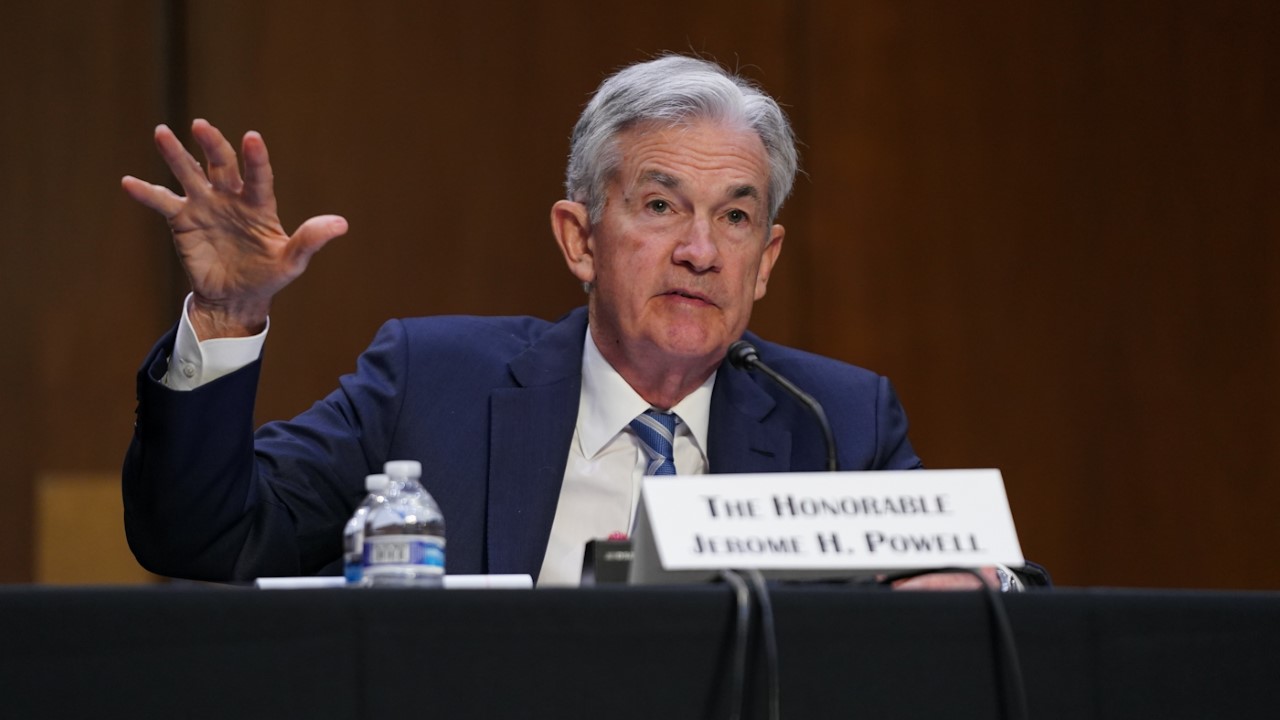
That softens, rather than confirms, the case for Fed Chair Jerome Powell to lower the federal funds rate, which has been pinned at 3.5%-3.75% since December 2025. CME FedWatch pricing now shows less than a 50% probability of any cut before the second half of 2027.

Deutsche Bank's economists made a similar point in their own weekly note. "Trend inflation has not shown clear signs of dipping below 3%," they wrote, citing services prices and a small upturn in goods inflation as evidence the disinflation impulse from 2024 has fully faded.
Two of the most-watched regional Fed presidents have echoed that read in real time. Chicago Fed president Austan Goolsbee told reporters this week that "all interest-rate options are on the table", a deliberately non-committal line that markets interpreted as a step away from his earlier dovish leaning. St Louis Fed president Alberto Musalem has repeatedly flagged concern that financial conditions are loosening even without rate cuts as equity multiples expand.
The data has not given the doves much to work with. The April jobs print at 115,000 was almost double consensus. The Federal Reserve's semi-annual financial stability report, released this week, listed "overheated markets" as the top risk to the system, language several Wall Street strategists read as a quiet warning that any cut into elevated equity valuations risks compounding the problem.
Politics is now layered on top. Fed governor Stephen Miran told Fox Business that he hopes Powell "staying at Fed is transitional" after the chair confirmed he would remain on the Board of Governors past his chairmanship, a move some interpret as resistance to a possible nomination of Kevin Warsh. Reuters reported on May 8 that "strong US jobs data complicates any Warsh push for lower rates", capturing the bind a more dovish chair would face.

For fintech and consumer credit names, the implications are direct. A higher-for-longer funds rate keeps the cost of warehouse facilities and asset-backed funding elevated, although Affirm chief operating officer Michael Linford this week described the ABS market as "exceptionally constructive". Mortgage originators expecting rate-cut tailwinds in 2026 are likely to see those revenue assumptions pushed out by 12 to 18 months.
The Bank of England, Reserve Bank of Australia and ECB now all face their own version of the same problem: cooling activity, sticky services inflation and political pressure to ease. The ECB's Joachim Nagel said this week the bank is "highly vigilant" to inflation risks. The RBA hiked to 4.35% on May 5, with Governor Michele Bullock framing the move as "a trade-off" against the global supply shock.
The market message is consistent. Cuts are not off the table for 2027, but the path to them now runs through a clear break in either the labour market or services inflation. Neither is in the data yet.