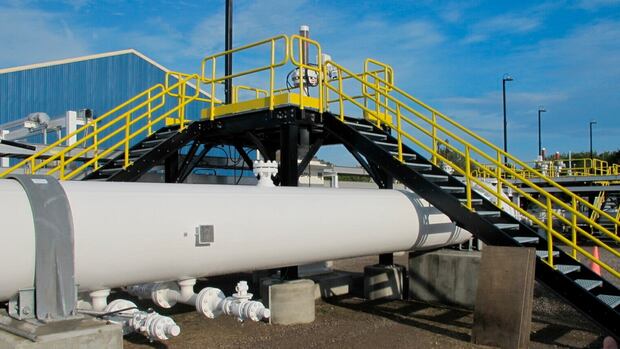
Recent leaks from U.S. intelligence documents have intensified concerns about cybersecurity in Canada's energy sector, particularly following claims that pro-Russian hackers may have accessed the country's natural gas distribution network. Such accusations have sparked urgent discussions among experts regarding the vulnerability of critical infrastructure and the potential ramifications of these cyber breaches.
Cybersecurity analysts are not taken aback by the unsettling claims revealed in the leaked documents, which surfaced on social media and mentioned successful infiltration by hackers allegedly backed by Russia. However, they emphasize an important distinction. "There's a big disconnect between gaining access to a computer, in the industrial world, and knowing how to make it do physical things," explained Lesley Carhart, the director of incident response for North America at Dragos Inc., a prominent industrial cybersecurity firm. This underscores the complexities involved in transitioning from mere access to impactful disruption.
"There's a big disconnect between gaining access to a computer, in the industrial world, and knowing how to make it do physical things,"
Carhart added, "Criminal groups gain access to industrial facilities all the time. But just hitting buttons isn’t necessarily going to cause anything meaningful to happen." This perspective reassures many that accessing a network does not equate to executing harmful actions.
While the leaked documents did not specify which companies were compromised, major players in Canada’s gas sector like TC Energy and Enbridge maintain they were not victims of any hacking attempts. Both companies stated that their operations remain secure, alleviating fears of immediate threat. The broader implications of the leak, however, cannot be overlooked.
The topic of cybersecurity within North America’s oil and gas industries has returned to the forefront amid these revelations. The Communications Security Establishment (CSE), Canada’s cybersecurity authority, acknowledged that it cannot comment on individual cases but stressed in a recent statement that it remains 'concerned about the opportunities for critical infrastructure disruption' presented through internet-connected technologies.

Geoffrey Cann, a speaker and author based in British Columbia specializing in digital issues in the oil and gas industry, highlighted the persistent threat faced by Canadian energy infrastructures. "It would be a shock if they weren’t targeting Canadian infrastructure, because they’re targeting energy infrastructure worldwide as a matter of routine," Cann said. According to him, organizations in this sector are not only aware of these threats but also actively preparing for them at the highest levels.
"It would be a shock if they weren’t targeting Canadian infrastructure, because they’re targeting energy infrastructure worldwide as a matter of routine,"
The mention of hackers targeting Canada’s gas network brings fresh attention to the ongoing cyber warfare landscape, marking a continuation of state-sponsored attacks aimed at destabilizing critical infrastructure. As geopolitical tensions rise, instances of cyberattacks on essential services could become increasingly common. Experts like Cann argue this is a wake-up call for organizations to bolster their defenses and mitigate risks associated with cyber vulnerabilities.


Both the public and private sectors in Canada must remain vigilant against such threats, enhancing their cybersecurity measures and fostering collaboration to strengthen resilience against potential attacks. Cybersecurity events are becoming more commonplace, and Canada must adapt to protect its critical infrastructures from both criminal enterprises and adversarial nation-states.
The ongoing discussions about the implications of these leaks reveal the critical need for continued investment in cybersecurity initiatives. As the energy sector grapples with potential threats, the question remains: are we prepared to respond effectively to ensure the safety and security of vital resources?
In a world where cyber threats are increasingly sophisticated and persistent, the time for robust action is now. Organizations must not only react to existing risks but proactively address gaps in their cybersecurity frameworks, making the protection of national interests a priority in the face of these evolving challenges.