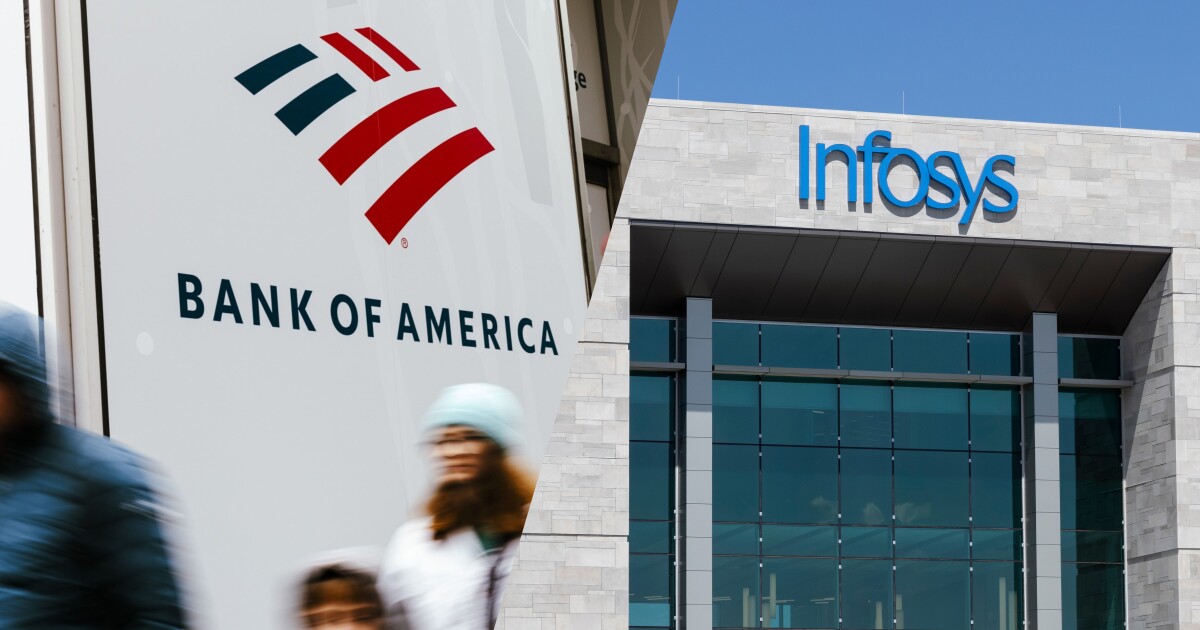
In a troubling incident, more than 57,000 customers of Bank of America have had their personally identifiable information compromised due to a data breach at Infosys McCamish, a provider of financial software. The breach involved sensitive details including names, addresses, dates of birth, and Social Security numbers, impacting customers linked to deferred compensation plans associated with the bank.
According to a letter sent by Infosys McCamish to the affected customers, the breach took place on November 3, 2023. It has been reported that the unauthorized access was linked to the ransomware group LockBit. "The breach was not a result of any failure in Bank of America's systems," said a spokesperson for Bank of America, emphasizing that the vulnerability was within the third-party service provider’s infrastructure.
"The breach was not a result of any failure in Bank of America's systems,"

The incident underscores the risks associated with third-party vendors in the financial services sector. Deferred compensation plans allow executives and high-earning employees to accumulate retirement benefits in a tax-advantaged manner, making the information gathered through these accounts particularly sensitive. These plans are marketed as a prime opportunity for financial institutions in the retirement plan market.

Upon discovering the breach, Infosys McCamish notified Bank of America on November 24, 2023. However, the subsequent customer notification was delayed until February 2, 2024. This has raised questions about compliance with regulations requiring timely communication of data breaches. According to laws in many states, including Maine, companies must inform affected individuals within 30 days of discovering such incidents. "The delay was concerning and has left many customers feeling unsettled about the security of their information," said Maine’s attorney general in a statement regarding the notification timeline.
"The delay was concerning and has left many customers feeling unsettled about the security of their information,"
In its communication, Bank of America offered affected customers a standard two-year identity theft protection plan, aiming to mitigate potential fallout from the breach. This step, while common in the industry, has prompted discussions about the adequacy of responses to such significant vulnerabilities. "We take the protection of our customers' data seriously, and we are continuing to monitor the situation closely," reiterated the Bank of America representative.
"We take the protection of our customers' data seriously, and we are continuing to monitor the situation closely,"
The breach occurred within a context of increasing cybersecurity threats, with organizations facing heightened risks from sophisticated ransomware attacks. Security experts are urging financial institutions to evaluate their partnerships with third-party vendors, underscoring the importance of robust security measures throughout the supply chain. "Mitigating risks associated with third-party relationships is absolutely critical in today's cyber landscape," said cybersecurity analyst Jane Doe.

"Mitigating risks associated with third-party relationships is absolutely critical in today's cyber landscape,"
As private and public sectors alike grapple with the ramifications of security breaches, the Bank of America incident serves as a stark reminder of the vulnerabilities that can arise when sensitive customer information is handled outside a financial institution's direct control. The emerging narrative highlights the need for greater transparency and stricter vulnerability assessments with third-party vendors.

Looking forward, this breach could lead to increased scrutiny from regulatory bodies regarding compliance with data security laws. Financial institutions may also be pressured to enhance their due diligence processes when it comes to third-party partnerships. "We must learn from these incidents and ensure stronger protections are in place," emphasized cybersecurity expert John Smith. As the fallout from this breach unfolds, its implications for customer trust in financial institutions may be profound.
"We must learn from these incidents and ensure stronger protections are in place,"