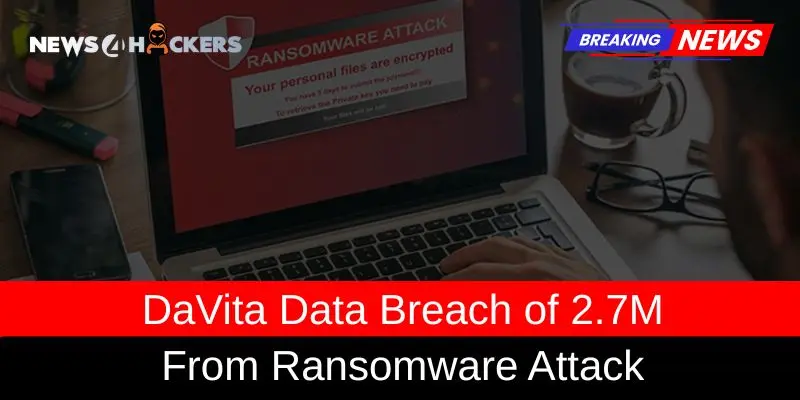
In a significant cybersecurity incident, DaVita, a leading provider of kidney care, has disclosed a data breach involving personal information from 2.7 million individuals. This breach is noted as one of the largest healthcare data compromises reported to federal regulators this year, following similar incidents at institutions like Yale New Haven Health and Blue Shield of California.
The breach was first detected on April 12, when unauthorized access to DaVita's servers was confirmed. "Our initial notification to federal authorities was made promptly as we began to understand the scope of the attack," said a DaVita spokesperson. The ransomware gang Interlock is believed to have been behind the attack, claiming to have stolen sensitive data and subsequently releasing it.
"Our initial notification to federal authorities was made promptly as we began to understand the scope of the attack,"


By the Numbers
DaVita's compromised data includes a multitude of personal and clinical details, such as names, addresses, birth dates, Social Security numbers, and treatment histories. The renal care organization's notification to affected individuals emphasized the seriousness of the incident. "The security and privacy of our patients is our top priority, and we are committed to protecting their information," stated the spokesperson.
"The security and privacy of our patients is our top priority, and we are committed to protecting their information,"
Impact and Legacy
Impact and Legacy


Impact and Legacy
Financial repercussions from the attack have also been significant. In a recent securities filing, DaVita revealed that the ransomware incident resulted in approximately $13.5 million in losses during the second quarter. This included $1 million directed specifically toward maintaining patient care and a staggering $12.5 million related to administrative charges. However, these figures do not encompass the broader impacts on the company’s operations, which have undoubtedly influenced its patient census, billing processes, and overall revenue collection.
As a response to the breach, DaVita has been working diligently to restore its systems. "Patient care continued throughout our recovery, and all significantly affected servers and systems have since been restored," the spokesperson reassured. In its updates, DaVita remains focused on ensuring that such vulnerabilities are addressed proactively, highlighting a growing concern across the healthcare sector regarding ransomware attacks.
"Patient care continued throughout our recovery, and all significantly affected servers and systems have since been restored,"
With the rise in cyber threats, many institutions are on high alert. Notably, Kettering Health, an Ohio health system, has expressed suspicions that Interlock was also behind its late May ransomware attack. "We have reason to believe there is a trend where certain groups are increasingly targeting healthcare networks, and it is an alarming development," commented a Kettering Health official.
"We have reason to believe there is a trend where certain groups are increasingly targeting healthcare networks, and it is an alarming development,"
By the Numbers
Warnings from federal agencies, including the FBI and the Cybersecurity and Infrastructure Security Agency, have further underscored the risks posed by the Interlock group, which is active against multiple organizations across North America and Europe. Experts note that ransomware can severely hinder healthcare operations, impacting routine access to essential technology like electronic health records and necessitating treatment delays or transfers of critical patients.
According to some providers, these delays can lead to increased fatality rates post-attack, emphasizing the devastating consequences of ransomware incidents in healthcare settings. "The implications of such attacks go beyond immediate financial repercussions; they affect the very essence of patient care," cautioned a cybersecurity analyst.
"The implications of such attacks go beyond immediate financial repercussions; they affect the very essence of patient care,"
Looking Ahead
As DaVita works through the aftermath of this attack, the incident serves as a stark reminder of the ongoing vulnerabilities faced by healthcare institutions. While steps are being taken to shore up defenses, experts continue to speculate about the frequency and severity of future ransomware attacks. It remains an urgent priority for healthcare providers to enhance cybersecurity strategies to safeguard sensitive patient information effectively.