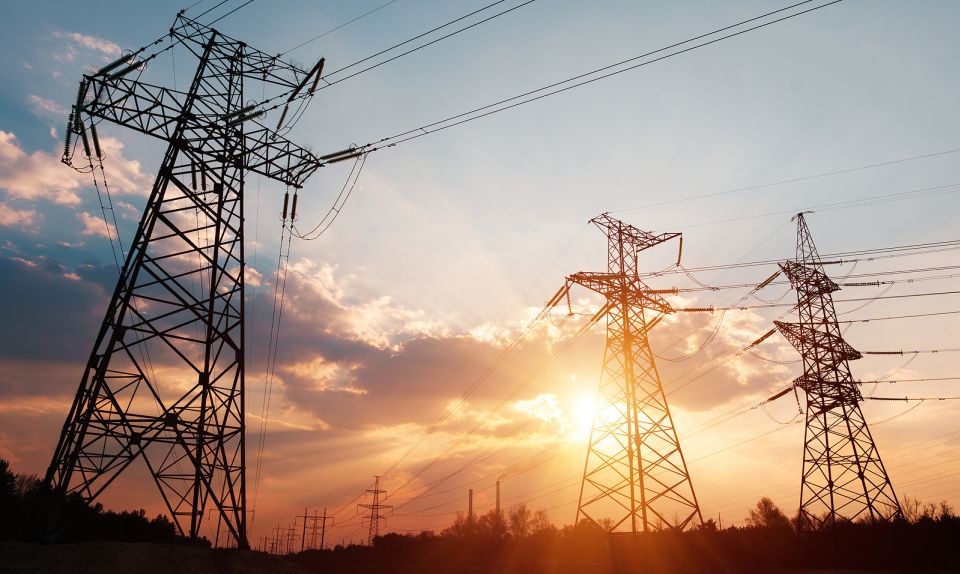
In May of this year, Denmark's critical infrastructure faced a significant cyber attack, described by experts as the largest of its kind to date. The incident put the electricity, gas, and water supply of more than 100,000 residents at potential risk.
A report from SektorCERT, the cybersecurity center for critical sectors, indicated that contractors operating within Denmark's energy infrastructure were targeted. The attack compromised at least 22 companies, leading to unauthorized access to their industrial control systems. As a response, several entities had to switch to what is known as 'island mode operation' to protect their systems.
"This incident marks a turning point in our understanding of the vulnerabilities within our critical infrastructure," said Søren Maigaard-Tobiasen, representing SektorCERT, in a phone conversation. While he was unable to provide further details during the initial inquiry, the implications are clear—the threat landscape is evolving, and attacks of this nature are becoming more frequent.

"This incident marks a turning point in our understanding of the vulnerabilities within our critical infrastructure,"

In an alarming twist, there are indications of state involvement. On May 24, SektorCERT detected a suspicious 1340-byte network packet from an IP address linked to the Sandworm group, a notorious advanced persistent threat (APT) believed to be associated with the Russian GRU unit. This group is known for executing sophisticated operations against industrial control systems. The report’s authors noted, "It is not common to see multiple successful attacks of this scale against critical infrastructure at one time."
SektorCERT has identified that a critical vulnerability within the firewalls produced by Zyxel was a key factor in the attacks. This vulnerability, reported on April 25, 2023, scored a staggering 9.8 on a scale of 10, indicating it was easy to exploit with potentially catastrophic ramifications.

"The implications of this vulnerability are serious. Many devices compromised in the attack did not have the necessary updates installed, which would have protected them against exploitation," SektorCERT explained. Their findings suggest that many organizations believed their newer firewalls had the latest software installed, leading to complacency.
The report highlights varying levels of awareness among companies regarding their cybersecurity status. SektorCERT noted, "For many of our members, this was a surprise. Some thought their newer equipment would automatically be updated, while others mistakenly believed it was solely the vendor's responsibility to ensure their devices were patched. Others opted out of updates due to associated costs or simply were unaware that outdated devices existed within their networks."


This incident has raised questions about cybersecurity governance and the importance of maintaining up-to-date defenses. As the frequency and sophistication of cyber attacks increase, organizations must recognize the dire necessity of regular updates and vigilant monitoring of their technological assets.
The Danish government has been urged to take these findings seriously and enhance regulatory frameworks around cybersecurity in critical sectors. As Maigaard-Tobiasen succinctly put it, "We need to invest in robust security systems, and organizations must take ownership of their cyber defenses."
With cyber threats expected to escalate, proactive measures and comprehensive strategies are paramount. The attack in May serves as a stark reminder that the safety and reliability of essential services hinge on the resilience of their underlying technology.
Looking Ahead
In conclusion, this unprecedented attack underscores the urgent need for improved cybersecurity measures across Denmark's vital infrastructure. As the nation seeks to bolster its defenses, the lessons learned from this event may shape future policies and protective strategies in the face of evolving cyber threats.