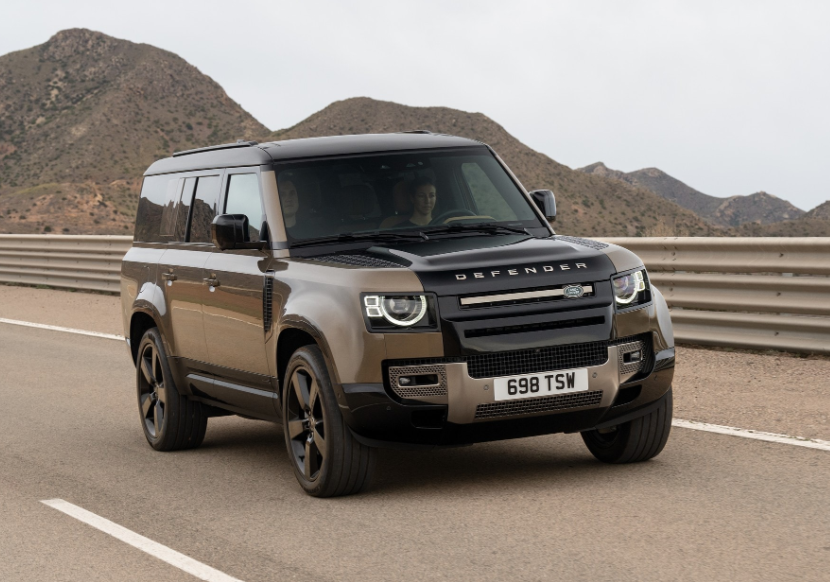
In a staggering revelation, Jaguar Land Rover (JLR) has emerged as the target of one of history's most expensive cyberattacks, with analysts estimating losses to exceed A$3.7 billion. The ransomware attack, which shut down JLR's production systems for more than a month, represents the most costly cyber incident ever recorded in the UK, surpassing previous breaches at major retailers like M&S and the Co-op.
The Cyber Monitoring Centre (CMC), a global organization that monitors cyber events, assessed that JLR likely incurred losses between A$3 billion and A$3.9 billion, with a median loss figure placed around A$3.6 billion. At the peak of the disruption, JLR faced a staggering loss of approximately A$95 million weekly, prompting the CMC to categorize the incident as a “Category 3” on its scale of cyber event impacts, indicating a significant systemic threat.
Following what JLR characterized as a “cyber incident” on August 31, 2025, production was halted in early September. This disruption left more than 30,000 workers at various factories in Solihull, Halewood, and Wolverhampton, along with several international sites, with no work. To mitigate the impact of the breach, JLR swiftly took its internal IT systems offline, affecting vehicle assembly operations and delaying deliveries on a global scale.

Career Journey
Career Journey

Career Journey
Reflecting on the turmoil, JLR’s CEO Adrian Mardell remarked, "It has been a challenging quarter," as he confirmed that the company's wholesale volumes plummeted by nearly 25%, while retail sales decreased by 17% during the production halt. “Since the start of September, we have worked with retailers to prioritize the delivery of our world-class vehicles to our clients,” Mardell added.
"It has been a challenging quarter,"


Career Journey
Career Journey
While it is estimated that JLR will absorb about half of the overall losses, analysts caution that the wider supply chain, particularly small parts suppliers, may endure significant repercussions, with some at risk of going under. To address immediate financial needs, the UK Government offered an emergency loan of A$2.8 billion, but JLR chose to initiate a cash-up-front program for suppliers in early October, aimed at ensuring a consistent flow of production materials.
The cyberattack has starkly highlighted the vulnerabilities faced by modern manufacturing enterprises. “A single IT breach can bring an entire billion-dollar production line to a standstill,” noted Dray Agha, Senior Security Manager at Huntress. Following the incident, experts have called for major automotive manufacturers to enhance their cybersecurity measures, particularly emphasizing the importance of "network segmentation"—a strategy that isolates factory systems from broader business networks, thereby mitigating the risks of such crippling disruptions.
After being offline for six weeks, JLR initiated a phased restart of production on October 8. However, cybersecurity experts warn that the financial and reputational damage may linger well into 2026, posing significant challenges for the iconic British automaker in its recovery efforts.
The ongoing situation sheds light on the critical need for cybersecurity measures in high-stakes manufacturing industries, serving as a wake-up call for automakers and supply chain partners alike. As companies navigate the aftermath of this unprecedented attack, the path forward is fraught with both challenges and lessons learned.