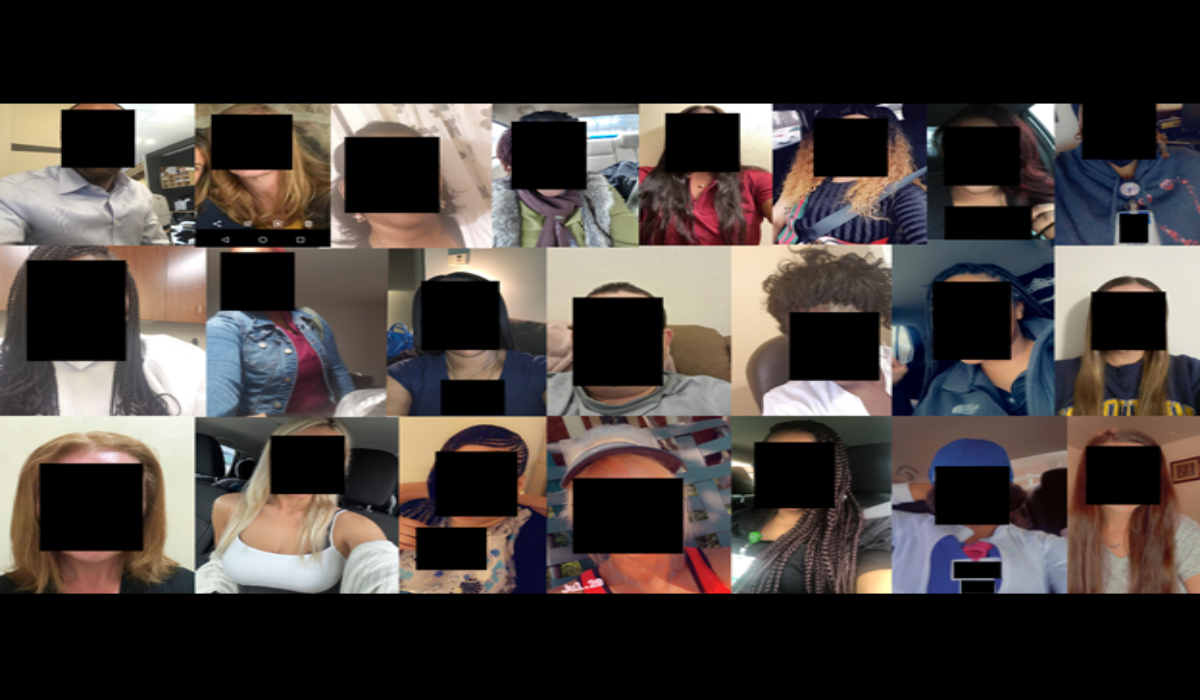
In a concerning breach that underscores the vulnerabilities in healthcare data security, a significant cache of medical and employment records has been exposed. The incident involved a staggering 108GB of sensitive information that came from a database linked to a HealthTech organization.
Experts are alarmed by the scale of this breach, which represents a serious threat to the privacy and security of individuals’ data. "Data breaches of this size can have catastrophic results for the victims, impacting their careers, health, and peace of mind," said cybersecurity analyst Jenna Torres.
"Data breaches of this size can have catastrophic results for the victims, impacting their careers, health, and peace of mind,"
The exposure of such vast troves of personal information illustrates persistent shortcomings in cybersecurity practices throughout the health sector. "While technology continues to advance, many healthcare providers are lagging behind in implementing adequate security measures," explained Dr. Martin Green, a cybersecurity consultant specializing in healthcare.
"While technology continues to advance, many healthcare providers are lagging behind in implementing adequate security measures,"
By the Numbers
Details surrounding the breach remain sparse, but it is reported that the exposed records include sensitive medical information alongside employment details. "The combination of medical and employment data is particularly damaging as it opens the door to identity theft and fraud," noted security expert Samuel Price.
"The combination of medical and employment data is particularly damaging as it opens the door to identity theft and fraud,"
This incident has prompted calls for stronger regulations and practices around digital security within the healthcare framework. "Stricter compliance and security protocols are necessary to safeguard patient information and restore public trust," stated Laura Kim, a health policy advocate.
"Stricter compliance and security protocols are necessary to safeguard patient information and restore public trust,"

Race Results
Responses from affected individuals remain mixed, with many expressing frustration over the breach. "We place our trust in healthcare providers to protect our information, and yet we see this happening over and over again," shared Mary Sanchez, a patient whose data has been compromised as a result of this incident.
"We place our trust in healthcare providers to protect our information, and yet we see this happening over and over again,"
By the Numbers
In light of the breach, organizations are encouraged to reassess their security frameworks, looking particularly at vulnerabilities associated with remote work and digital health management systems. "As the trend towards telehealth and digital records continues, addressing these vulnerabilities must be a priority," emphasized cybersecurity researcher Benji Choi.
"As the trend towards telehealth and digital records continues, addressing these vulnerabilities must be a priority,"

Furthermore, the incident has reignited discussions about the importance of employee training in cybersecurity practices. "Employees often represent the first line of defense against cyber threats; thus, comprehensive training is vital," said technology executive Karen Liu.
"Employees often represent the first line of defense against cyber threats; thus, comprehensive training is vital,"
Looking ahead, experts predict that without significant improvements, the healthcare industry will continue to experience data breaches of this nature. "If healthcare organizations don't prioritize cybersecurity, we're likely to see even larger breaches in the future, which will be devastating for both providers and patients," warned analyst Tom Reddick.
"If healthcare organizations don't prioritize cybersecurity, we're likely to see even larger breaches in the future, which will be devastating for both providers and patients,"
In conclusion, the exposure of 108GB of medical and employment records from the HealthTech database presents a stark reminder of the urgent need for enhanced cybersecurity measures in the health sector. As organizations take steps to bolster their defenses, it is imperative that they prioritize the protection of sensitive information to prevent future breaches.