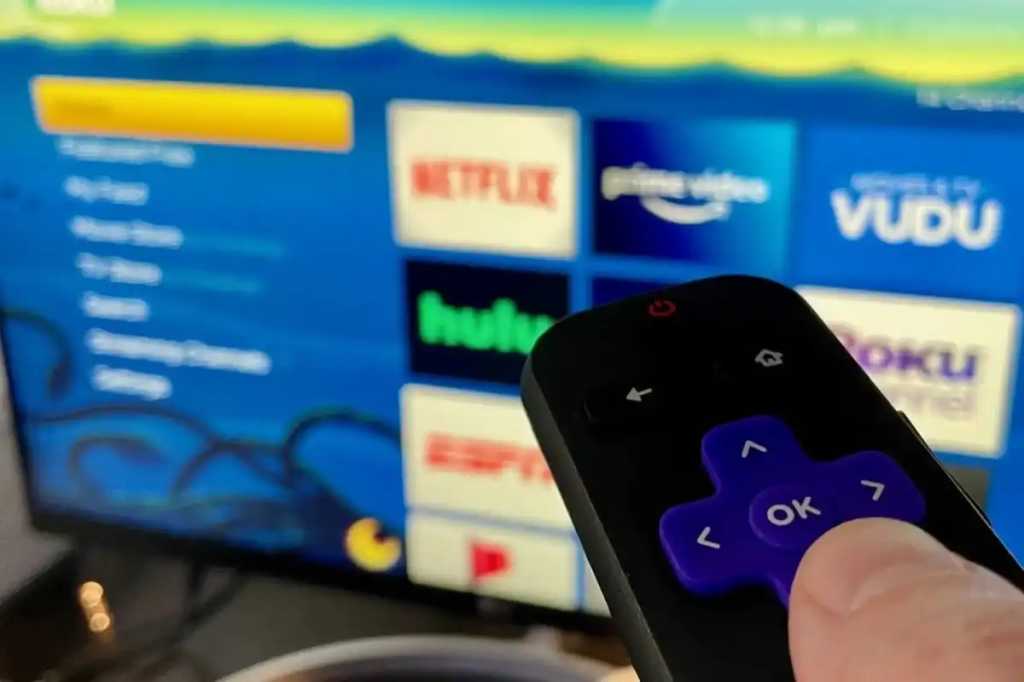
In a troubling development for the streaming community, Roku acknowledged last week that hackers had successfully hijacked over 15,000 user accounts. The company revealed that the attackers exploited a pervasive security flaw well known to data security experts: credential stuffing.
"Never reuse passwords: It’s a golden rule of data security, and unfortunately for thousands of Roku users, it’s a lesson they learned the hard way," a Roku spokesperson remarked on the incident.
"Never reuse passwords: It’s a golden rule of data security, and unfortunately for thousands of Roku users, it’s a lesson they learned the hard way,"
Credential stuffing is a strategy where cybercriminals use stolen username and password pairs acquired from third-party breaches and apply them across various services. This technique capitalizes on the tendency of users to employ the same credentials across multiple platforms.
Roku's situation is a prime example of how vulnerable accounts can be when users fail to change their passwords after a breach occurs elsewhere. Bleeping Computer reported that the hackers gained access to Roku accounts and were able to modify the account holder’s personal details, including their email and shipping addresses. Additionally, in some instances, they exploited stored credit card information for fraudulent purchases of streaming subscriptions and smart home devices.
Once the hackers infiltrated the system, they took swift action. "Once they were in, hackers were able to change the Roku account holder’s password, e-mail address, and shipping details—and in a 'limited number of cases,' they used stored credit card information to go on shopping sprees," noted Roku, emphasizing the severity of the breach.
"Once they were in, hackers were able to change the Roku account holder’s password, e-mail address, and shipping details—and in a 'limited number of cases,' they used stored credit card information to go on shopping sprees,"
The ramifications of this incident extend beyond just the theft of accounts. Bleeping Computer also uncovered that some compromised Roku accounts have begun appearing on illicit marketplaces, reportedly selling for as low as 50 cents each. The dark web wasn’t the only venue; the stolen accounts were seen facilitating purchases of Roku security cameras, remotes, light strips, and other internet-of-things gadgets.
By the Numbers

In response to the breach, Roku took immediate action to secure the compromised accounts by requiring users to reset their passwords. The company also committed to canceling or refunding any purchases deemed suspicious. "Roku promises that the hackers didn’t gain access to social security numbers, 'full' payment account numbers, dates of birth, or other 'sensitive' personal information," the spokesperson confirmed.
"Roku promises that the hackers didn’t gain access to social security numbers, 'full' payment account numbers, dates of birth, or other 'sensitive' personal information,"

The clear takeaway from this incident for users is to implement unique and robust passwords for each of their online accounts, especially those linked to financial information. "The moral of the story: Always use unique (and strong) passwords for your accounts, including those for streaming services," the Roku spokesperson advised.
"The moral of the story: Always use unique (and strong) passwords for your accounts, including those for streaming services,"
Moreover, while Roku has taken steps to secure user accounts, the onus is also on the company to enhance its security measures. "That said, Roku should do its part by rolling out two-factor authentication for its streaming accounts," analysts suggest. Although Roku does offer two-factor authentication for its smart home applications, users feel that this additional layer of security is necessary across all platforms.
"That said, Roku should do its part by rolling out two-factor authentication for its streaming accounts,"
Looking Ahead
The breach comes on the heels of another controversy involving Roku, where users expressed frustration over the company’s stringent measures regarding access to Roku TVs and streaming devices pending acceptance of new dispute resolution processes. Such incidents underscore the importance of strong cybersecurity practices, both on the user’s end and at the corporate level, to thwart future attacks.
As digital life becomes increasingly intertwined with technology, the need for robust security protocols remains paramount. The recent events highlight a broader conversation about accountability and resilience in the face of constantly evolving cybersecurity threats.