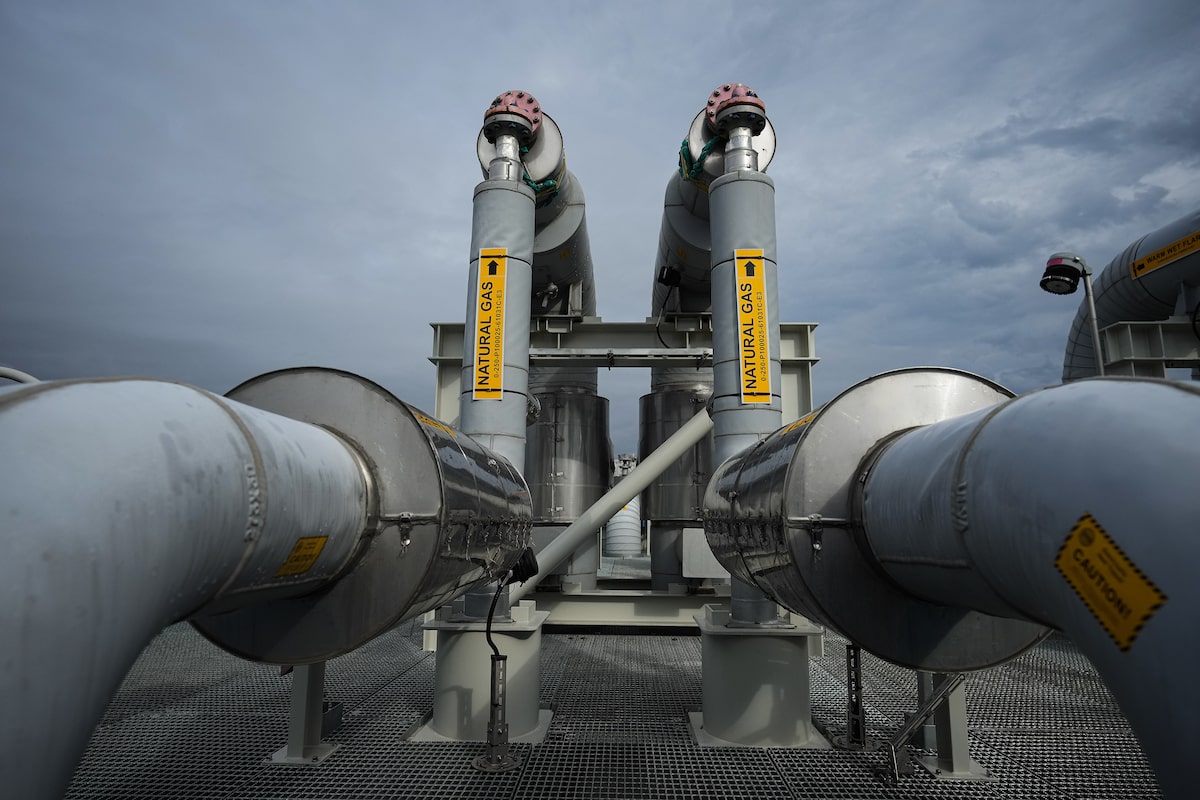
In April 2023, leaked Pentagon documents revealed claims from pro-Russian hackers about a disruptive operation targeting Canada’s natural gas pipeline sector. These allegations suggest significant damage to infrastructure, although U.S. intelligence sources could not provide independent verification of the incident.
Timothy Egan, the president and chief executive of the Canadian Gas Association, emphasized the need for vigilance regarding the situation. "I’m following the matter closely," said Egan. "However, I'm not aware of any compromised gas distribution infrastructure in this country or an attack on it by hackers."
The unverifiable claims come amid a backdrop of disinformation tactics that Russia has employed throughout its conflict with Ukraine. Analysts warn that the leaking of such information aligns with Russia's strategy to undermine Western alliances. Stephanie Carvin, a former national-security analyst and associate professor, stated, "We don’t know if these allegations are real, but if they are, it’s extremely serious. It would be confirmation that one of the most serious scenarios envisioned as a consequence of this war could potentially be coming true."


According to the leaked materials, the hacking group, operating under the name Zarya, was purportedly in communication with Moscow’s Federal Security Service (FSB) and was prepared to take action against Canadian infrastructure. They allegedly asserted their capability to manipulate gas distribution system functions, claiming, "to increase valve pressure, disable alarms, and initiate an emergency shutdown of an unspecified gas distribution station."
Additionally, the leaked intelligence indicated that Russian operatives had been monitoring Canadian news for signs of a potential explosion linked to these cyber activities. Remarkably, one leaked document stated, "If Zarya succeeded, it would mark the first time the IC has observed a pro-Russia hacking group execute a disruptive attack against Western industrial control systems."

The contents of one of the leaked documents indicate a high level of secrecy, being marked as top secret and not intended for foreign eyes. The document speculated that a successful operation could culminate in an explosion at a gas distribution station.
Public Safety Minister Marco Mendicino’s spokesperson, Alex Cohen, directed inquiries to the Communications Security Establishment (CSE), the agency responsible for Canada’s cyber intelligence. CSE’s spokesperson, Kyla Borden, refrained from confirming or denying any knowledge of the allegations or the security status of Canadian pipelines. "We do not comment on specific cybersecurity incidents, nor do we confirm businesses or critical infrastructure partners that we work with," Borden stated.
"We do not comment on specific cybersecurity incidents, nor do we confirm businesses or critical infrastructure partners that we work with,"


Career Journey
Back in early 2022, CSE had already warned about potential Russian-backed cyberattacks on Canada’s critical infrastructure, indicating persistent threats in the wake of geopolitical tensions.
Impact and Legacy
The latest claims from the pro-Russian hacking group serve as a reminder of the escalating cybersecurity threats facing nations globally. Experts are stressing the importance of preparedness and resilience against possible cyber incursions that could impact essential services.
Overall, the implications of such alleged attacks raise serious concerns about the vulnerabilities of critical infrastructure and the potential ramifications of cyber warfare. As nations navigate these complex challenges, the focus remains on safeguarding vital systems against ever-evolving threats.