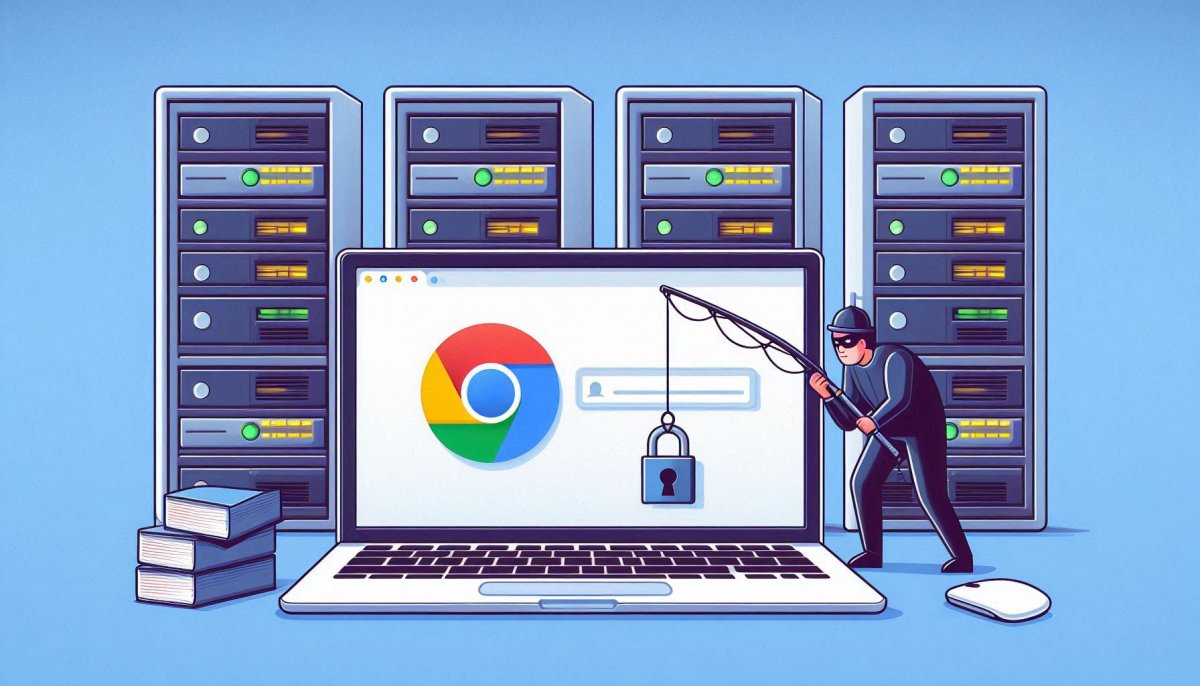
Recent cybersecurity research has unveiled alarming behavior linked to the Qilin ransomware. IT security analysts from Sophos have reported that this particular ransomware strains its claws into networks, extracting access data from Google Chrome to facilitate further cyber incursions.
In their detailed investigation, the Sophos team highlighted the technique utilized by the attackers. "Attackers used VPN access data to gain unauthorized access to the network in the incident investigated in July of this year," noted the cybersecurity experts. A significant contributing factor to this initial breach was a lack of multi-factor authentication, pointing to necessary improvements in digital security protocols. The analysis revealed a staggering delay of 18 days between the initial breach and the attackers’ subsequent movements within the compromised network.
"Attackers used VPN access data to gain unauthorized access to the network in the incident investigated in July of this year,"

Given the nature of the attack, it’s suggested that an Initial Access Broker (IAB) might have been involved. Such brokers are notorious for infiltrating networks and subsequently selling this access to other malicious entities, enhancing the complexity of the threat landscape.

Following the initial penetration, the Qilin ransomware continued its ominous presence by navigating to domain controllers (DC) within the Active Directory (AD). The attackers took advantage of the compromised credentials to manipulate the default group policy. "They introduced a log-on-based group policy object," explained Sophos, referring to a Powershell script named `IPScanner.ps1` found in a temporary folder of the SYSVOL share. This script, comprising only 19 lines, was crafted specifically to collect Chrome browser credentials.
"They introduced a log-on-based group policy object,"

Championship Implications
Accompanying this Powershell script was a batch file named `logon.bat`, which contained commands to execute the initial script seamlessly. This strategic orchestration allowed for credential harvesting across multiple network endpoints whenever a user logged in. The first script generated a SQLite database called `LD` and a text file called `temp.log`, storing valuable stolen information in a newly created SYSVOL share on the DC.
Championship Implications

The implications were severe; over the course of three active days, these scripts deployed across numerous machines, continuously harvesting user credentials without detection. Once the attackers extracted the data, they approached the final stages of their operation, erasing their digital footprints. They deleted the collected files and purged corresponding event logs from both the DC and the affected endpoints, a typical move for cybercriminals looking to cover their tracks before encrypting files and leaving a ransom note.
To execute the malware, the Qilin group cleverly utilized the group policy mechanism again, ensuring the distribution and execution of a file dubbed `run.bat`. This tactical advantage underscores the sophistication of their operations.

The analysis suggests that the criminals also exploited Chrome’s password manager functionality, which further enabled them to retrieve additional access data from services linked to compromised accounts. Sophos advocates for more robust security strategies, including adopting a password manager that can be managed centrally, like Bitwarden. Such a tool allows for secure credential management without cloud dependence, significantly mitigating risks of credential exfiltration.
Looking Ahead
"The use of passkeys also helps to prevent cybercriminals from capturing usable access data," stressed a Sophos representative, emphasizing the importance of layered security measures to thwart similar attacks in the future.
"The use of passkeys also helps to prevent cybercriminals from capturing usable access data,"
Cybersecurity practitioners are left with a pressing challenge: as ransomware tactics evolve, so too must organizational defenses. The findings from Sophos not only shine a light on the increasing sophistication of ransomware like Qilin but also underline a critical call to action for enterprises to reassess and bolster their cybersecurity practices. Failure to do so could lead to devastating breaches, impacting both data integrity and organizational trust.