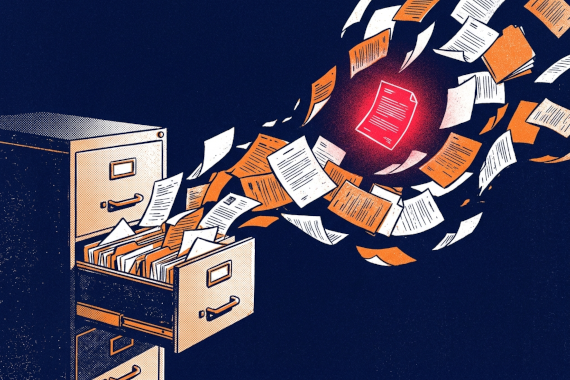
In the digital age, organizations face various security incidents, one of the most pressing being a data leak. This situation occurs when sensitive data is unintentionally exposed to unauthorized entities, leading to potentially severe consequences. "The repercussions of data leaks can escalate into severe breaches, identity theft, and even ransomware attacks," explains a cybersecurity expert.
"The repercussions of data leaks can escalate into severe breaches, identity theft, and even ransomware attacks,"
To differentiate the terminology, it’s essential to clarify the distinction between a data leak and a data breach. While both result in the exposure of sensitive information, the motivations behind them differ. "A data leak usually stems from an accidental mishap, like an employee inadvertently sharing personal data via email," said the expert. In contrast, a data breach indicates a deliberate intrusion by malicious actors aiming to access restricted information.
"A data leak usually stems from an accidental mishap, like an employee inadvertently sharing personal data via email,"
Numerous factors contribute to the occurrence of data leaks, often a blend of human error and technical vulnerabilities. Common causes include misconfigured security settings, where improperly adjusted databases or servers leave sensitive information exposed. "Accidental sharing is prevalent; employees can easily misdirect sensitive emails to the wrong recipients," noted an IT manager.
"Accidental sharing is prevalent; employees can easily misdirect sensitive emails to the wrong recipients,"

Additionally, third-party risks pose considerable threats. "Vendors can inadvertently leak your data during their own security breaches," cautioned a security analyst. Furthermore, unsecured websites and applications that lack robust security measures can become easy targets for cybercriminals. Weaknesses such as SQL injection or inadequate direct access controls can allow hackers to infiltrate and retrieve sensitive data.
"Vendors can inadvertently leak your data during their own security breaches,"
Phishing attacks remain a popular method for cybercriminals to exploit unsuspecting employees. "Emails designed to deceive recipients into revealing their credentials are incredibly effective," commented a cybersecurity trainer. Insider threats also pose significant risks, whether through disgruntled employees or simple carelessness leading to an unintentional data leak.
"Emails designed to deceive recipients into revealing their credentials are incredibly effective,"

Another serious risk involves lost or stolen devices. "Devices containing sensitive data can fall into the wrong hands if not properly secured," warned an information security officer. Improper disposal of devices can further exacerbate the situation, making old storage media a potential treasure trove for ill-intentioned individuals.
"Devices containing sensitive data can fall into the wrong hands if not properly secured,"
By the Numbers
Sensitive data types commonly at risk include login credentials, personal identifiable information (PII), financial information, health records, intellectual property, emails, government documents, and corporate data. "Protecting these types of sensitive materials is imperative to prevent identity theft, fraud, and reputational harm," emphasized a compliance specialist.
"Protecting these types of sensitive materials is imperative to prevent identity theft, fraud, and reputational harm,"

Cybercriminals are adept at exploiting leaked data for various nefarious activities. For instance, they might utilize stolen personal information to create fictitious identities used in fraudulent schemes, such as applying for loans or obtaining medical services. "Blackmail and extortion remain prevalent, as perpetrators often threaten to publicize sensitive information unless a ransom is paid," said a cyber law expert.
"Blackmail and extortion remain prevalent, as perpetrators often threaten to publicize sensitive information unless a ransom is paid,"
Race Results
Additionally, attackers can leverage leaked data for social engineering attacks, crafting phishing messages that deceive individuals into revealing even more sensitive information or inadvertently downloading malware. Selling leaked data on the dark web for profit constitutes another financial avenue for cybercriminals. "The potential profit from stolen credit card information or bank details drives these criminals to engage in such illicit activities," remarked a fraud analyst. Identity theft, a growing concern, results from the misuse of PII by criminals aiming to impersonate their victims.
"The potential profit from stolen credit card information or bank details drives these criminals to engage in such illicit activities,"
As organizations continue to grapple with the very real threat of data leaks, implementing robust security measures becomes increasingly vital. Awareness training for employees, strong access protocols, proper device disposal methods, and meticulous security settings configuration are just a few of the essential steps organizations can take to safeguard their sensitive information.
In summary, understanding data leaks, their causes, and preventative strategies is crucial for any organization in today's digitally interconnected world. By adopting proactive security measures and fostering a culture of awareness, companies can significantly minimize their risk of suffering from damaging data leaks.