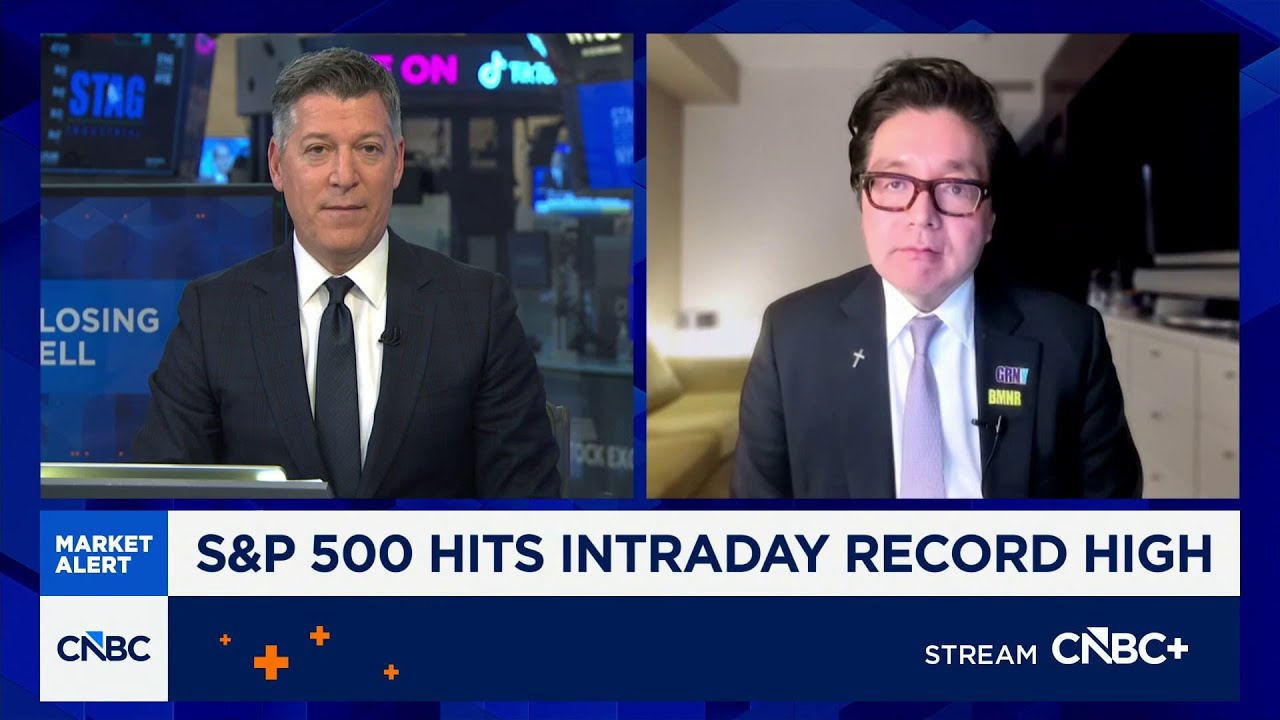
Fundstrat co-founder Tom Lee used a CNBC appearance this week to make a contrarian case that US equities are in a stronger technical and fundamental position today than when they set their record high earlier in 2026, even with a shooting war in the Middle East and a spike in crude prices still fresh in investors' minds.
Asked by host Scott Wapner what came next after a sharp rebound, Lee replied: "I know this is going to sound counter to what other what the viewers might think, but I think the stock market is in a better position today than earlier this year when it made its all-time high."
Lee laid out a three-part thesis. First, the US has absorbed a sudden oil shock without meaningful domestic damage while foreign economies buckled. Second, earnings have continued to move higher, which the Fundstrat team reads as evidence that the conflict has actually stimulated American activity rather than suppressed it. Third, the historical precedent for inflation passthrough from oil price spikes is weaker than consensus assumes.

"We're now seeing that the US stock market can handle a surge in oil while it hurts other countries," Lee said. "We've seen earnings go up, so we we now feel comfortable that the war is actually stimulating the economy. And the third is, I know I've talked before about inflation shocks, but we've been looking back at the history of oil spikes, and the impact on core is less than we thought."
That combination, he argued, supports Fundstrat's 7,300 base case for the S&P 500 this year. "I think stocks can go back to that 7,300, which is our base case for this year in our three-phase market before we might see a larger drawdown."
Wapner pushed Lee on whether he was too sanguine about ongoing war risk. Lee framed the United States as the strongest economy in a damaged neighborhood, calling the episode "the seventh black swan now thrown on investors since 2020."
"Now we've seen that the US can handle a Middle East catastrophe, you know, one where the strait is closed, and oil's not available," Lee said. "The US economy is still operating while other countries are talking about shutdowns and factories closing."
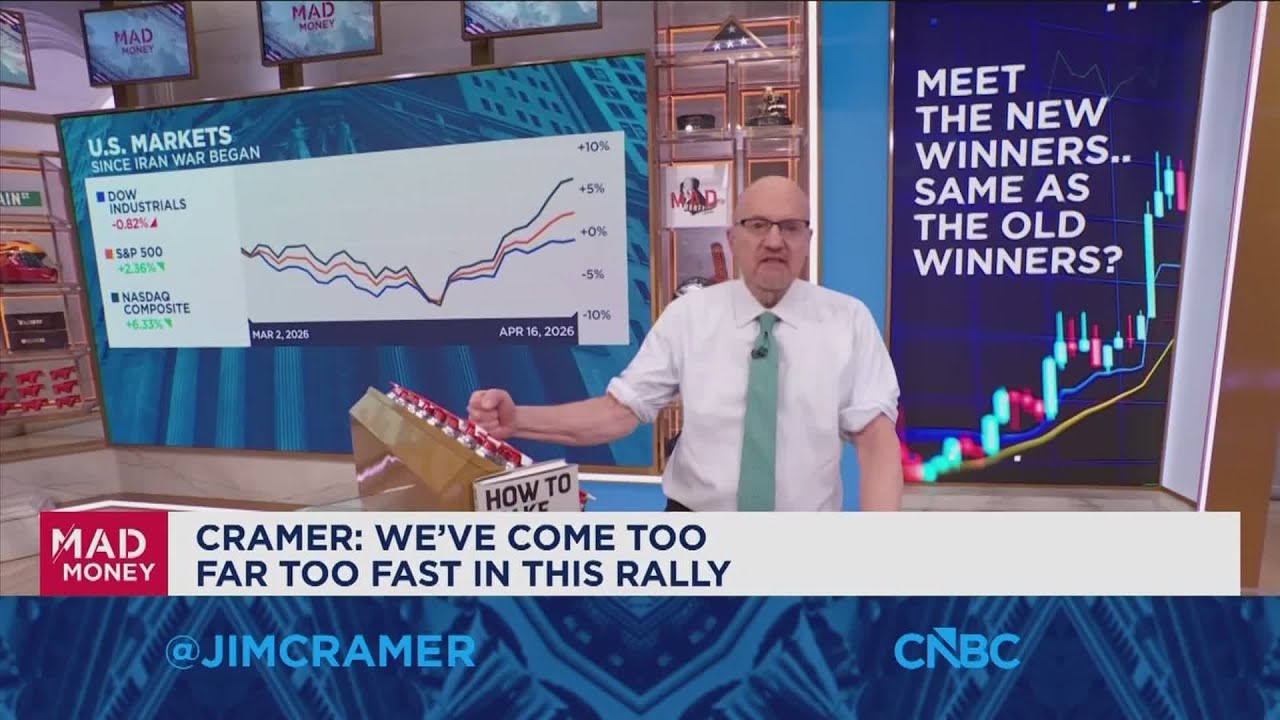
Pressed on whether tail risk had actually disappeared or simply been forgotten, Lee was careful. "There are tail risks. I think that the the size of the tail has shrunk." He flagged specific commodity choke points, including helium, as areas where a later disruption could still reach American shores, but argued a lasting ceasefire would qualify as a positive tail event that removes even that downside.
Lee also endorsed JP Morgan's view that technology needs to lead any next leg higher. The leaders since the conflict began, he noted, have been crypto and the Mag 7 names. "I think that JP Morgan's correct. I think tech is growth when people are worried about growth, and and of course, it's also been the most under-owned group, because that's the the group people were selling."
On valuation, he made the bull-market case in its most compressed form. Mega-cap tech, he said, has grown earnings faster than the index for years, has durable competitive moats, and now trades in line with the broader market multiple. "To buy them at a market multiple means that 5 years from now, I think people are going to be surprised that they could buy them so cheaply."
The Nasdaq, at the time of the interview, was pressing for its 11th consecutive positive session, which would be its longest streak since November 2021.